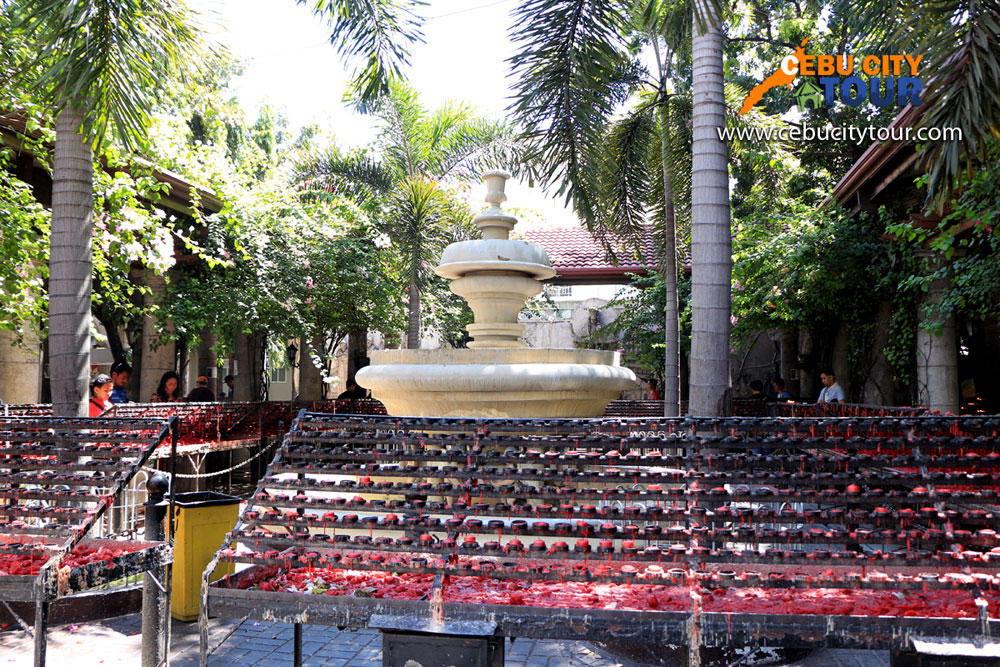
History of Cebu Basilica Sto. Nino
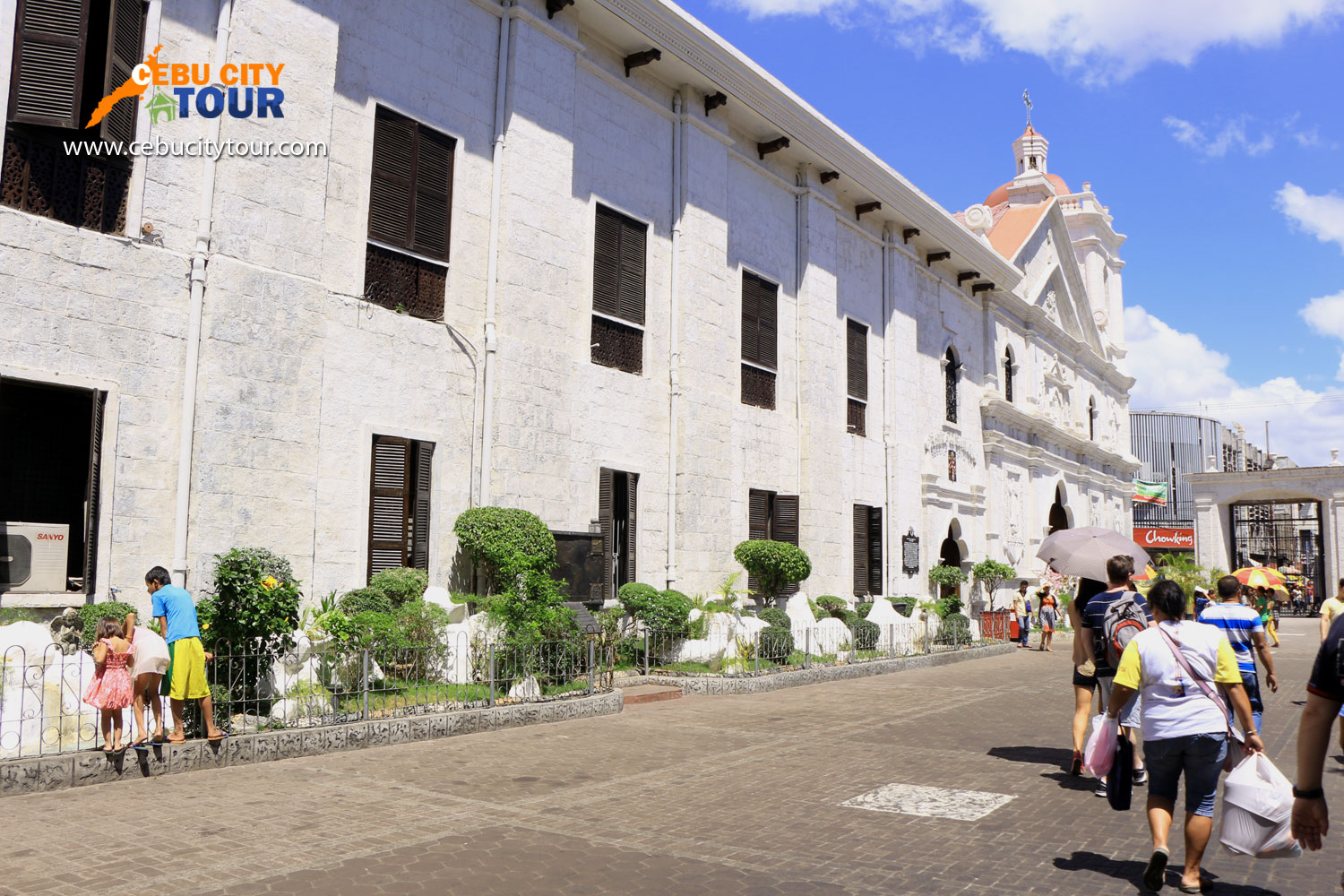
The Basilica Minore Del Sto. Niño (The Minor Basilica of the Holy Child) is a historic church in Cebu City, Philippines. It was founded by Spanish missionaries headed by Fr. Andres de Urdaneta on April 28, 1565, the same day that the Legazpi-Urdaneta expedition arrived in Cebu.
The Basilica is known as the oldest Roman Catholic church in the Philippines. It stands on the exact spot where Spanish explorers under Miguel López de Legazpi found the image of the Sto. Nino de Cebu, a statue depicting the Child Jesus, in 1565. This statue of the child Jesus is the same one that Ferdinand Magellan gave to the wife of Rajah Humabon in 1521, after Humabon’s baptism on April 14, 1521. The image was discovered inside a burnt wooden box by a Spanish soldier after Legazpi’s troop burned a hostile village.
Because of its long history and significance, the Holy See calls the Basilica the “Mother and Head of all Churches in the Philippines.”
The current church building, completed between 1739 and 1740, continues to protect the country’s oldest religious image, the Sto. Niño.
Sto. Niño Church Development
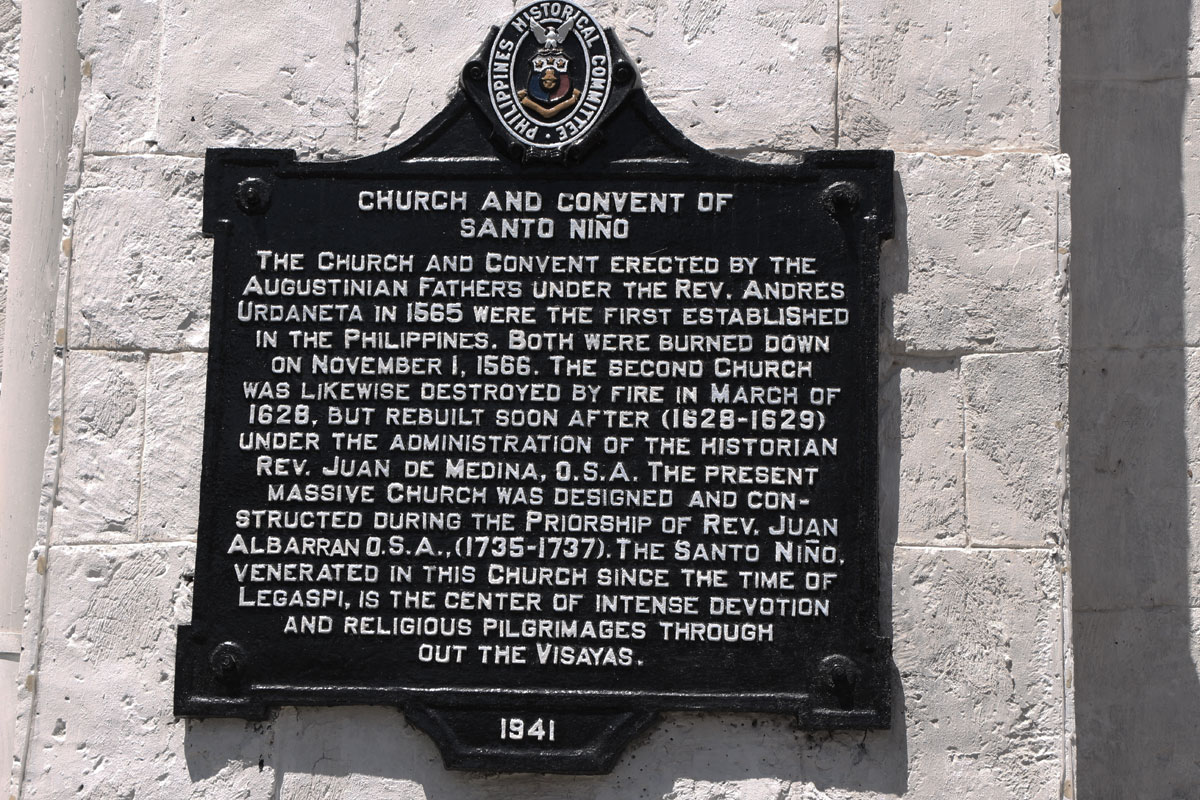
1566 – the first church on the site where the image of the Sto. Nino was found was built by Fr. Diego de Herrera using wood and nipa. However, it was destroyed by fire.
1605 – A new church made of wood and nipa was started under Fr. Pedro Torres. It was completed in 1626, but because the materials were light, it was burned down again in 1628.
1628 – Another attempt to build a church began under Fr. Juan Medina. This time, they used stones and bricks instead. However, the bricks were found to be defective because they reportedly “melted” when exposed to air, so the construction was stopped.
February 29, 1735 – The construction of the present stone church officially began. During this time, the construction was started with a combination of efforts from Father Provincial Bergano, Governor-General Fernando Valdes, Bishop Manuel Antonio Decio Y Ocampo of Cebu, and Juan de Albarran Prior of the Sto. Nino. Many other church leaders and parishioners also helped build the foundation of the existing Basilica.
October 15, 2013 – A magnitude 7.2 earthquake hit Cebu and caused the bell tower of the Basilica to collapse. Despite the strong quake, no one inside the church was injured, which many consider a miracle. The Basilica suffered significant structural damage, but major restoration work began shortly after. By March 2016, the bell tower and other affected areas were fully restored, bringing the historic church back to its original beauty.
Location and Experience
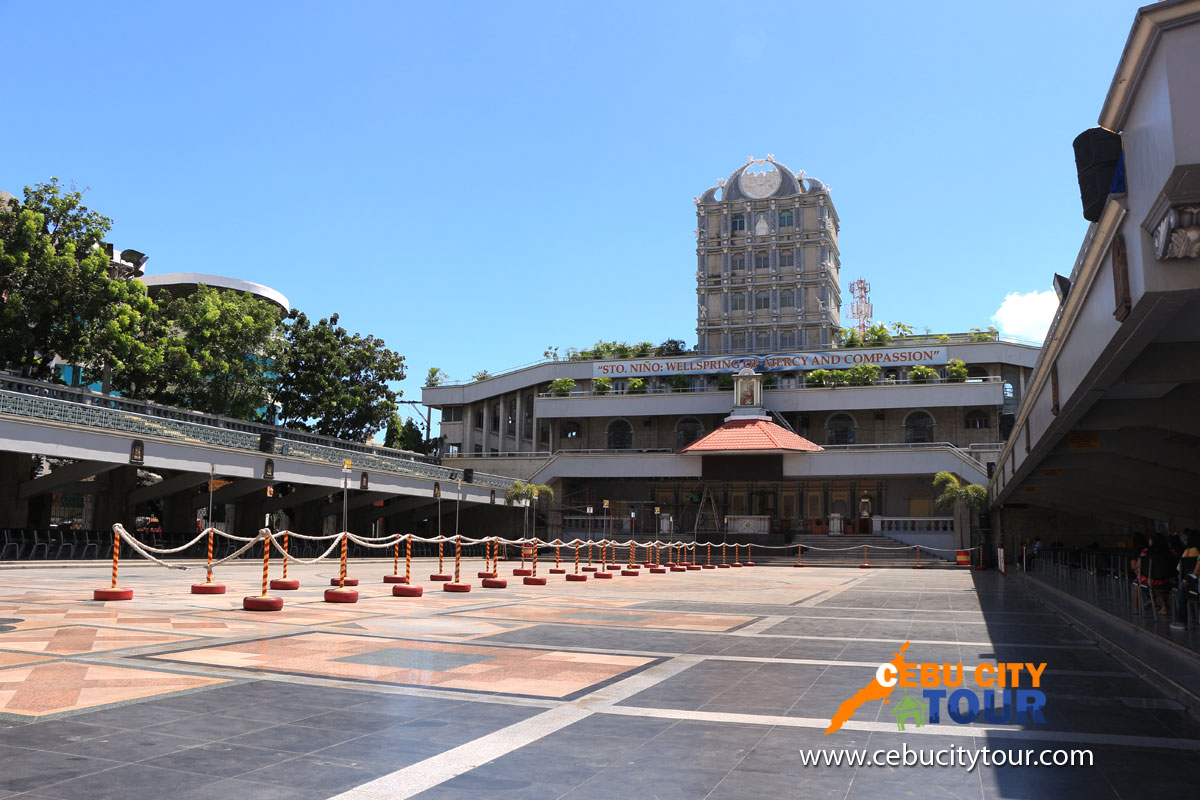
The Basilica Minore del Sto. Nino Complex is located in a city block bordered by the Osmena Boulevard, D. Jakosalem Street, P. Burgos Street, and the Plaza Sugbo, where the Magellan’s Cross is located. The main entrance of the basilica is along Osmena Boulevard. Just two blocks north of the basilica is the Cebu Metropolitan Cathedral, the seat of the Roman Catholic Archdiocese of Cebu.
Feast of Senior Sto. Nino
Every 3rd Sunday of January, Cebu City comes alive with the Sinulog Festival, one the grandest and most popular festivals in the Philippines. This vibrant celebration honors the Feast of the Senior Sto. Niño, the beloved patron of Cebu. A major highlight of the Sinulog Festival is the spectacular street dance parade, which lasts for 9 to 12 hours and features colorful performances from different towns and cities in Cebu, as well as groups from other islands across the Philippines. The festival attracts thousands of local and international tourists each year, making it a must-see cultural event.